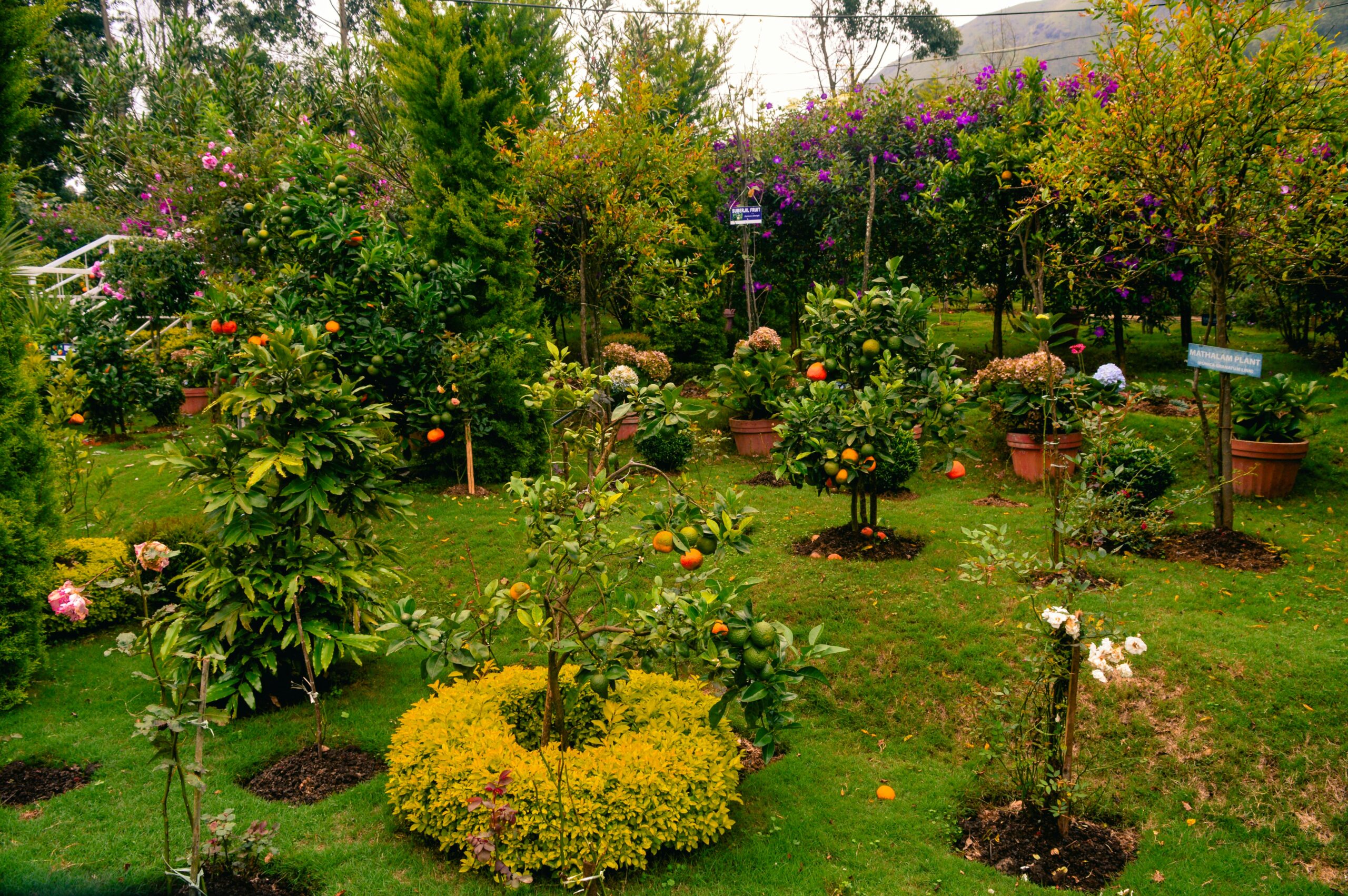
Gardening therapy offers a simple yet powerful way to manage anxiety, depression, and daily stress in a fast-moving world. As life grows louder and more demanding, gardening therapy creates a calm space where the mind slows down, and the body reconnects with nature. Moreover, this natural practice blends movement, mindfulness, and purpose, which makes it an effective and affordable form of emotional care for people of all ages.
The Science Behind Gardening Therapy and Mental Health
Gardening works because the brain responds positively to natural environments. When people interact with soil, plants, and sunlight, the brain releases serotonin and dopamine, which improve mood and emotional balance. As a result, anxiety levels decrease while feelings of calm increase. Research also shows that exposure to green spaces lowers cortisol levels, a hormone linked to stress.
Moreover, gardening engages multiple senses simultaneously, grounding the mind in the present moment. While touching soil or watching plants grow, the brain shifts away from negative thought loops. Therefore, people who garden often report better focus, emotional stability, and improved sleep patterns over time.
How Gardening Therapy Reduces Anxiety Naturally
Gardening therapy helps reduce anxiety by creating predictable and soothing routines. When someone waters plants or pulls weeds, the repetitive actions calm the nervous system. Consequently, breathing slows, and muscle tension eases, reducing anxious feelings without medication.
Additionally, therapy provides a sense of control during uncertain times. Anxiety often grows when life feels overwhelming or unpredictable. However, tending a garden allows people to see clear cause-and-effect results, which builds confidence and emotional safety. Over time, this sense of control transfers into daily life.
Gardening Therapy as a Tool for Managing Depression
Gardening therapy supports people with depression by restoring motivation and hope. Watching a seed sprout reminds the mind that growth takes time and patience. Therefore, this gentle process mirrors emotional healing and encourages persistence during low periods.
Furthermore, therapy encourages light physical activity, boosting energy and reducing fatigue. Even short gardening sessions can improve blood flow and oxygen levels in the brain. As a result, people often feel more alert, positive, and engaged with their surroundings.
Daily Stress Relief Through Gardening Therapy
Gardening therapy offers immediate relief from daily stress by pulling attention away from screens and deadlines. While working with plants, the mind naturally enters a state of relaxation similar to meditation. Consequently, stress signals in the brain decrease, and mental clarity improves.
In addition, gardening promotes healthy boundaries between work and personal life. Stepping into a garden creates a clear mental shift away from responsibilities. Therefore, people return to daily tasks feeling refreshed, focused, and emotionally balanced.
The Role of Physical Movement in Gardening Therapy
Gardening therapy includes gentle movement that supports both mental and physical health. Activities like digging, planting, and stretching improve flexibility and circulation. As a result, the body releases endorphins that naturally elevate mood and reduce pain.
Moreover, therapy feels less demanding than traditional exercise. Because the focus stays on plants rather than effort, people move without pressure or judgment. Therefore, this form of movement feels enjoyable and sustainable, especially for those who struggle with gym routines.
Social and Emotional Benefits of Gardening Therapy
Gardening therapy also strengthens social connections, which play a key role in mental wellness. Community gardens and shared spaces encourage conversation and cooperation. Consequently, people feel less isolated and more supported by their environment.
At the same time, gardening supports emotional expression without words. Caring for plants allows feelings to surface gently and safely. Therefore, many people find emotional release and self-understanding through this quiet and nurturing practice.
Why Gardening Therapy Builds Long-Term Resilience
Therapy teaches patience, acceptance, and adaptability over time. Plants face weather changes, pests, and slow growth, yet they continue to thrive. As a result, gardeners learn to accept challenges without frustration.
Furthermore, gardening therapy reinforces consistency and commitment. Showing up regularly to care for plants builds discipline and self-trust. Therefore, people who practice therapy often develop greater emotional resilience and coping skills to navigate life’s challenges.
Making Gardening Therapy Part of Everyday Life
Therapy fits easily into modern lifestyles, even with limited space. Balcony plants, indoor herbs, or small backyard gardens all provide similar benefits. Therefore, anyone can start gardening without large investments.
Additionally, adapts to personal needs and schedules. Short daily sessions or longer weekend activities both support mental health. As a result, this flexible practice remains accessible and effective for long-term emotional care.